
Short answer: Choose combat boots if you want a lace-up, ankle-supporting boot that works with cargo pants, jeans and dresses almost every day. Choose platform winter boots if you want extra height and more distance between your feet and cold, wet pavement. For most people, the deciding factors are sole height, shaft height, closure type and how much walking you actually do, not which trend is louder this season.
Both styles share the same chunky, grounded attitude that runs through East Asian streetwear, from Harajuku layering to Seoul's cleaner monochrome looks. But they behave differently once they are on your feet. This guide breaks down the differences, explains how to check fit when you shop online, and gives outfit formulas you can copy.
What Is the Difference Between Platform Boots and Combat Boots?
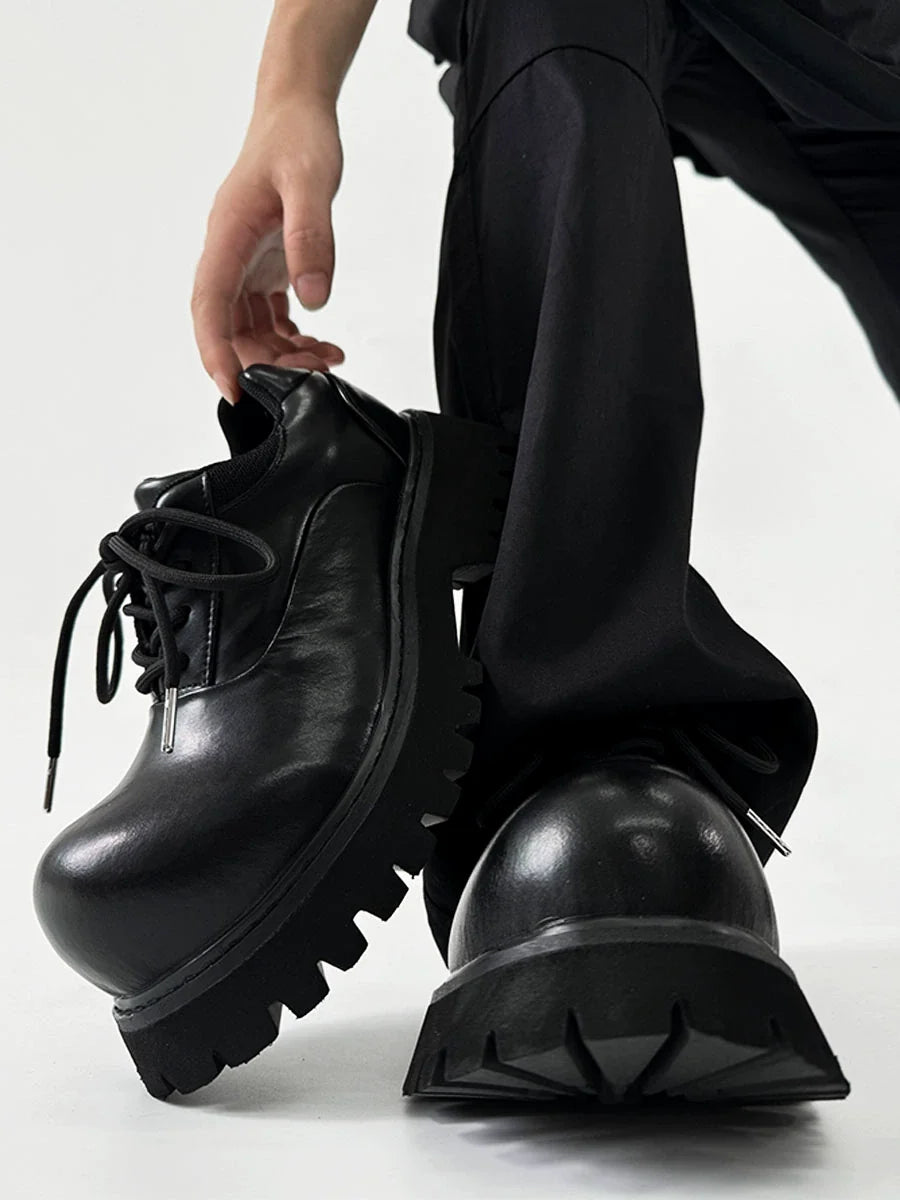
A combat boot is defined by its construction: a lace-up front (often with eyelets or speed hooks), a shaft that usually sits around the ankle or mid-calf, and a lugged rubber sole designed for grip. The look comes from military footwear, which is why it pairs so naturally with utility clothing.
A platform boot is defined by its sole: the front of the foot is raised, not just the heel. The platform can be a few centimeters or dramatically tall. Platform boots can be lace-up, zip-up, pull-on or buckled, so a boot can be both a combat boot and a platform boot.
| Feature | Combat boots | Platform winter boots |
|---|---|---|
| Main identifier | Lace-up military shape | Raised sole under the whole foot |
| Typical closure | Laces, sometimes a side zip | Laces, zips, buckles or pull-on |
| Best for | Daily wear, walking, utility outfits | Height, statement looks, cold and wet streets |
| Watch out for | Break-in time on stiff leather | Weight and stability on stairs and ice |
You can browse both styles side by side in our Combat Boots collection and the wider Platform Shoes edit.
How to Choose the Right Boot for Winter
1. Decide how much you will walk
If your boots need to handle a commute, long campus days or travel, prioritize a moderate sole and a closure you can adjust. Laces let you tighten the boot around the ankle, which reduces heel slip. A very tall platform looks striking but adds weight with every step.
2. Check sole height and the heel-to-toe difference
On platform boots, look at both the heel height and the front platform height when the product page lists them. When the two numbers are close, the boot feels flatter than its total height suggests. A large difference means you are effectively wearing a heel.
3. Look at the outsole for grip
Deep lugs (the chunky ridges on the bottom) help on wet leaves, slush and uneven ground. Smooth, flat platform soles look sleek but can feel slippery. Rubber outsoles generally grip better than hard plastic ones.
4. Think about shaft height and your trousers
- Ankle height: easiest with cropped, straight or wide-leg pants.
- Mid-calf: good for tucking in skinny jeans or wearing under midi skirts.
- Knee height: dramatic with mini dresses and shorts, harder to fit under wide trousers.
5. Materials and lining
Leather and faux leather boots resist light rain better than suede. For winter, a lining such as fleece or faux fur adds warmth, but it also takes up room inside the boot, which affects sizing.
Sizing Tips When Buying Boots Online
Because Chiclara carries many independent designers, sizing is not uniform across every product. A few habits make online boot shopping far less risky:
- Measure your foot length in centimeters, standing, at the end of the day when your feet are largest.
- Compare against the product page measurements, not just your usual size label. Asian and EU size conversions vary between makers.
- Allow space for socks. Winter socks or a lined boot can take up roughly half a size of room.
- Check the toe shape. Round and square toes are more forgiving than pointed toes.
- Read the return policy before ordering, so you know the steps if the fit is wrong.
If a product page is unclear, contact customer support with your foot measurement before you order.
Outfit Formulas for Combat Boots
Utility: cargo pants + combat boots
This is the most natural pairing. Tuck slim cargos into the boot, or let wide camo cargo pants stack over the top of the shaft. Add a cropped hoodie or a fitted tee so the outfit doesn't feel shapeless.
Grunge: distressed jeans + combat boots
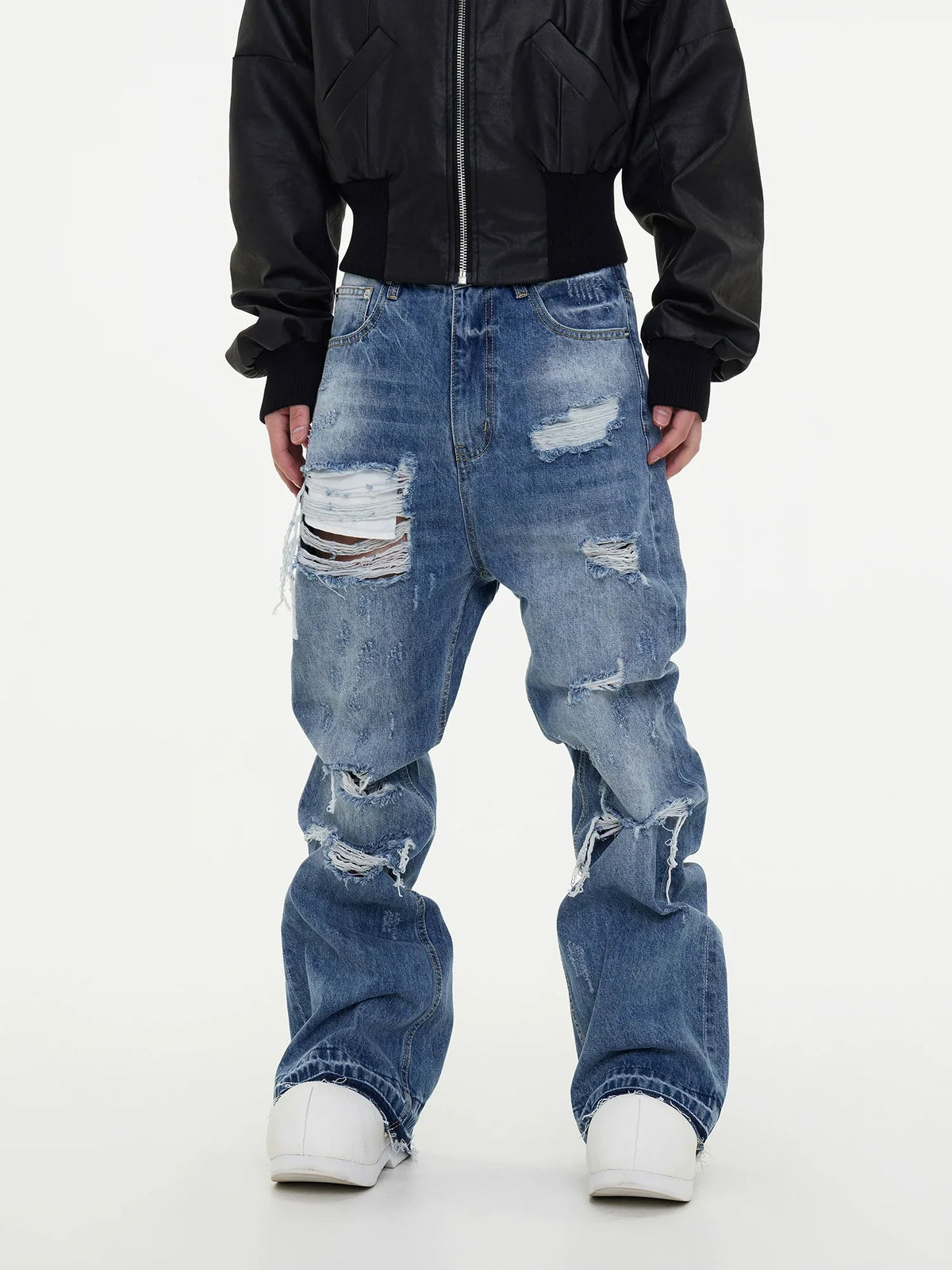
Ripped or washed denim and lace-up boots are a classic pairing. Roll or cuff straight-leg distressed jeans just above the boot so the laces show.
Soft contrast: dress + combat boots
A lace or slip dress over chunky boots balances delicate and heavy. Dark tights make the transition from hem to boot look intentional in colder months. Our Gothic Lace Dresses are built for exactly this contrast.
Outfit Formulas for Platform Winter Boots
Wide-leg balance
Platform boots under wide-leg jeans give you height without anyone seeing the whole sole. Make sure the hem nearly grazes the floor while you're wearing the boots, otherwise the extra length looks accidental.
Mini skirt or shorts with tights
A short hem shows off the full shape of a platform boot. Opaque tights and a longer coat keep the look winter-appropriate.
All-black monochrome
Black platform boots, black trousers and a black outer layer look sleek and lengthen the leg. Add interest through texture, such as leather, knit and faux fur, rather than color.
Care Basics to Make Boots Last
- Wipe off salt and mud as soon as possible; salt can mark leather.
- Let wet boots dry naturally at room temperature, away from direct heaters.
- Condition real leather periodically and use a protector spray suited to the material.
- Rotate pairs when you can so the lining fully dries between wears.
- Follow the care notes on the individual product page, since materials vary by designer.
Where to Shop
Start with Combat Boots if you want everyday lace-ups, Platform Shoes for raised soles, or the full Women's Boots collection to compare shaft heights. For lighter days, Chunky Sneakers give a similar silhouette with less weight.
FAQ
Are platform boots comfortable for walking?
They can be, especially when the front platform is close in height to the heel, so the foot stays fairly level. Very tall or heavy soles are harder to wear for long walks, so match the height to your day.
Can combat boots be platform boots?
Yes. "Combat" describes the lace-up military style, while "platform" describes the raised sole. Many boots are both.
Should I size up for winter boots?
Not automatically. Compare your measured foot length with the product's listed measurements, and allow extra room only if you plan to wear thick socks or the boot is lined.
What pants go best with combat boots?
Cargo pants, straight or distressed jeans, and leggings are the easiest. Wide-leg trousers also work if the hem falls over the boot shaft.
How do I stop boots from slipping at the heel?
Lace-up styles let you tighten around the ankle. Thicker socks or an insole can also take up extra space.