
Chiclara carries clothing and footwear from multiple East Asian designers, so a letter size is not one universal measurement across the store. Use the size chart on the individual product page as your primary reference. A size M from one label can fit differently from a size M from another.
The most reliable method is to measure a garment you already like, lay it flat, and compare those measurements with the product chart. Do not automatically size up every Chiclara item: the right choice depends on the product's measurements, fabric, stretch and intended silhouette.
How to measure before ordering
- Use a flexible measuring tape. Keep it level and do not pull it tight.
- Measure your body or a garment that fits well. Check whether the product chart lists body measurements or garment measurements before comparing.
- Match the tightest important area first. For trousers this is usually the waist or hip; for tops and jackets it is usually the chest, shoulder or sleeve.
- Check length separately. A larger size changes more than width. It can also change the sleeve, rise and total length.
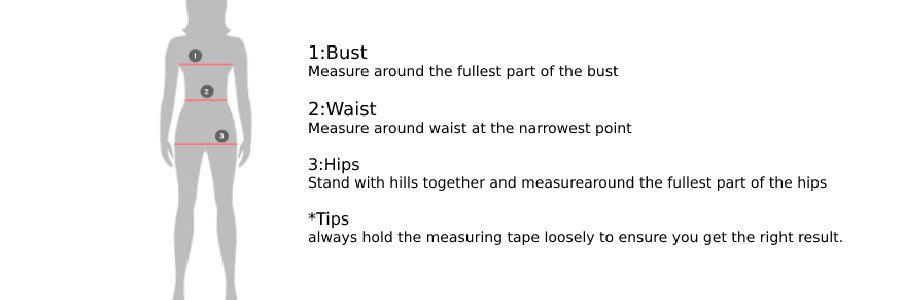
What to measure by product type
| Product | Measurements to compare | Fit detail to check |
|---|---|---|
| Tops and shirts | Shoulder, chest or bust, sleeve, total length | Fitted, regular or oversized |
| Jackets and hoodies | Shoulder, chest, sleeve, total length | Room needed for layers |
| Jeans and trousers | Waist, hip, rise, thigh, inseam or total length | Straight, wide, stacked or balloon leg |
| Dresses | Bust, waist, hip, total length | Stretch, lining and intended silhouette |
| Shoes | Foot length and the product's men's or women's size scale | Any product-specific recommendation to size up or down |
Use model information as context, not as a conversion chart
Model measurements show how one size looks on one person. They are useful for judging proportion, but your garment measurements are still more reliable.
- The Spaghetti-Strap Maxi Dress is shown on a 163 cm model wearing size S.
- The Y2K Wide-Leg Baggy Jeans are shown on a 163 cm, 45 kg model wearing size M.
- The Nude Compression Tank Top is shown on a 184 cm, 80 kg model wearing size L.
- The Textured Knit Zip-Up Hoodie is shown on a 180 cm, 60 kg model wearing size L.
These examples show why Chiclara does not use one automatic size conversion for every item.
How the intended silhouette changes your choice
Fitted and compression pieces
Prioritize the chest, bust, waist or hip measurement and check the fabric's stretch information. Sizing up can reduce compression and change the intended line.
Regular-fit pieces
Compare all key measurements with a similar garment you own. Choose the size that gives you the movement and layering room you normally prefer.
Baggy and oversized pieces
The extra volume is often already built into the pattern. Sizing up also increases the waist, rise, sleeve or length, so check those measurements before choosing a larger size purely for more volume. See the Baggy Jeans and Cargo Pants collections for examples of intentionally relaxed silhouettes.
What to do when you are between sizes
- Prioritize the least flexible measurement, especially on non-stretch fabric.
- Check the product description for a specific recommendation; footwear and fitted pieces may have their own rule.
- For bottoms, confirm both waist and length. A larger waist may also create more stacking at the hem.
- For outerwear, compare the chart with a jacket or hoodie you already wear over similar layers.
Size questions
Do all Chiclara products run small?
No. Chiclara carries multiple designers and silhouettes. Some fitted products are close to the body, while many streetwear products are intentionally oversized. The individual product chart is the primary source.
Should I always order one size larger?
No. Size up only when the product measurements, product-specific note or your preferred fit supports it.
Are men's and women's shoe sizes interchangeable?
Not automatically. Use the exact men's or women's option displayed on the product and compare it with your measured foot length.
What if the product chart is missing or unclear?
Email info@chiclara.com with the product link, your measurements and the fit you want before ordering.